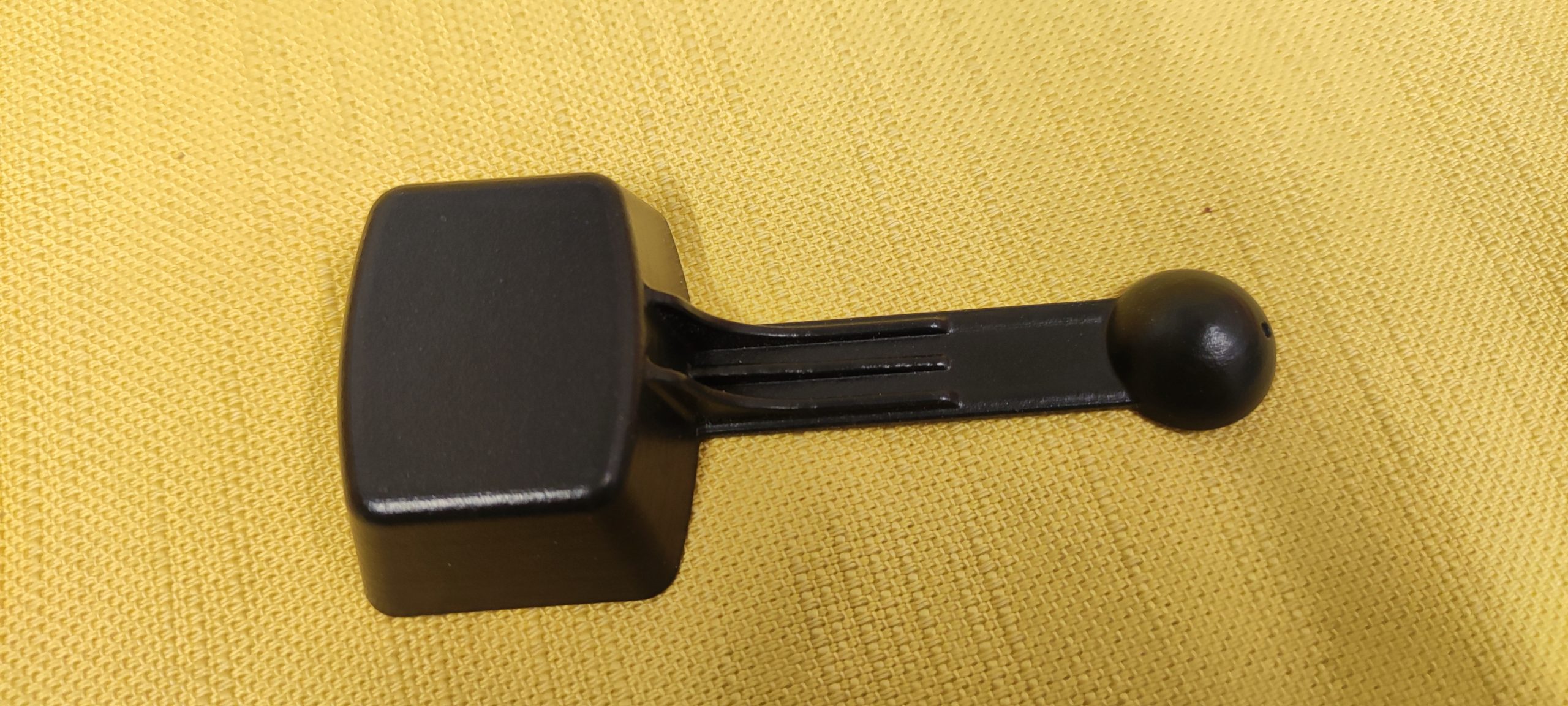






Industrial Vapor Smoothing for 3D Printed Parts: Smoother Surface, Improved Durability
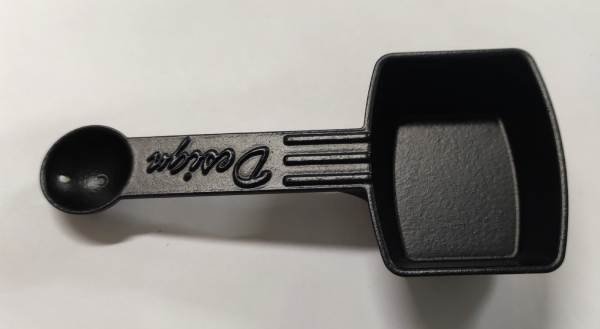
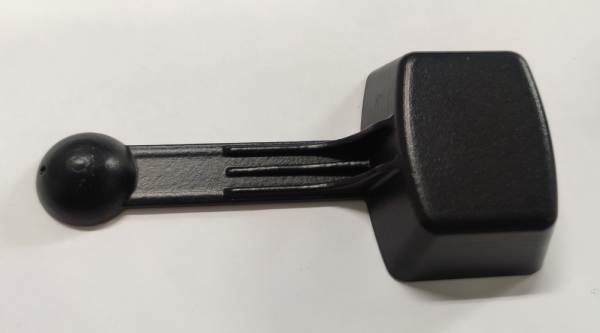
3D printed plastic parts (SLS) are rarely ready for the most demanding applications straight out of the printer. The inherent roughness and porosity of printed parts can limit both their visual quality and technical performance. Vapor smoothing is the most effective way to elevate 3D printed parts into industrial-grade end-use components.
Materflow has upgraded its production capacity with a new industrial vapor smoothing system. The process delivers exceptional surface smoothness and technical performance without compromising dimensional accuracy.
“Various solutions have been available on the market, but for us, the decisive factor was the quality of the end product and the controllability of the process. The method we use is based on industrially proven chemistry, ensuring a consistent, high-quality surface finish in every production run,” explains Sami Mattila from Materflow.
What Does Vapor Smoothing Do to a Part?
The process seals the surface porosity of the component, making parts more durable and easier to clean. From an engineering perspective, the process improves several technical properties:
Hygiene: The smooth surface inhibits bacterial growth and withstands repeated chemical cleaning.
Reduced notch sensitivity: Surface smoothing eliminates microscopic stress concentrations, improving dynamic durability and fatigue strength.
Improved elongation at break: Controlled densification of the surface layer optimizes material toughness under load.
Sealing performance: Parts become gas- and liquid-tight, which is essential for applications such as pressure-tight enclosures.
Capacity: From Prototypes to Thousands of Parts
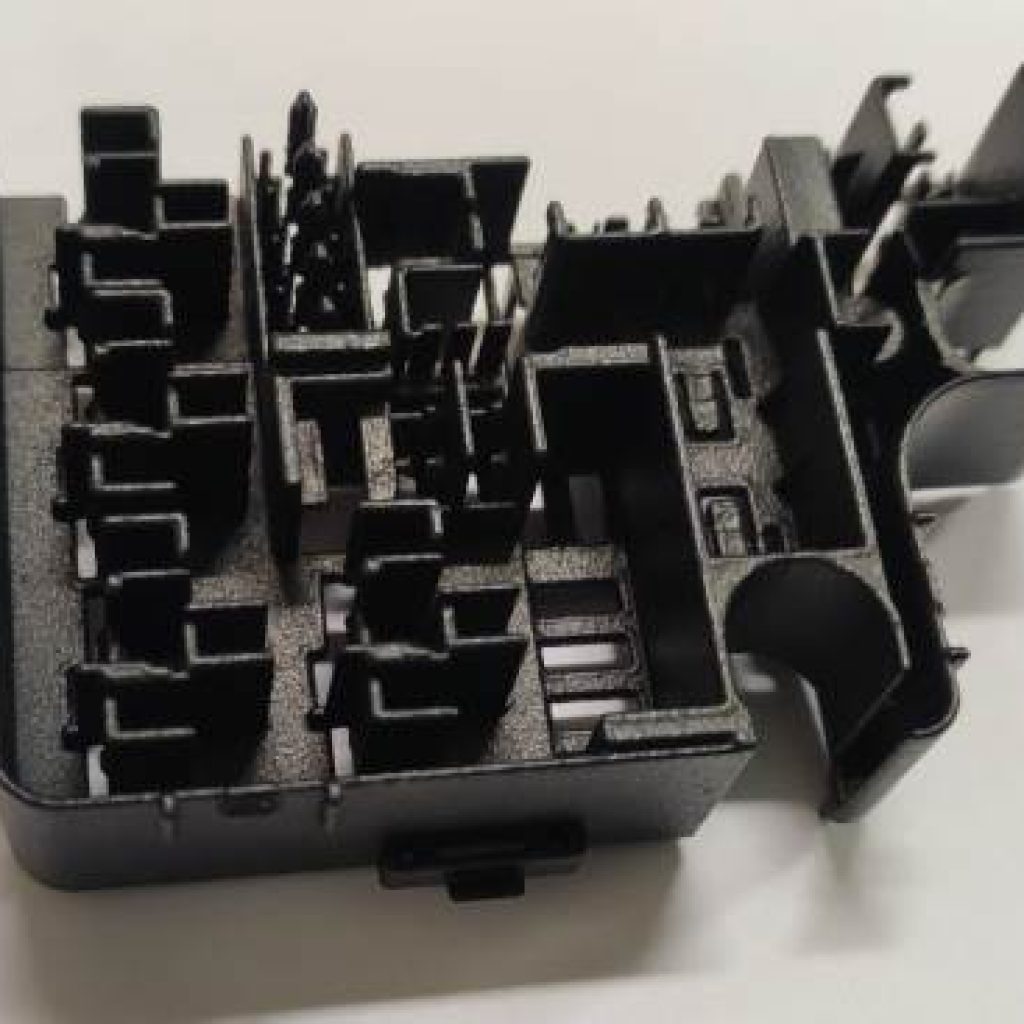
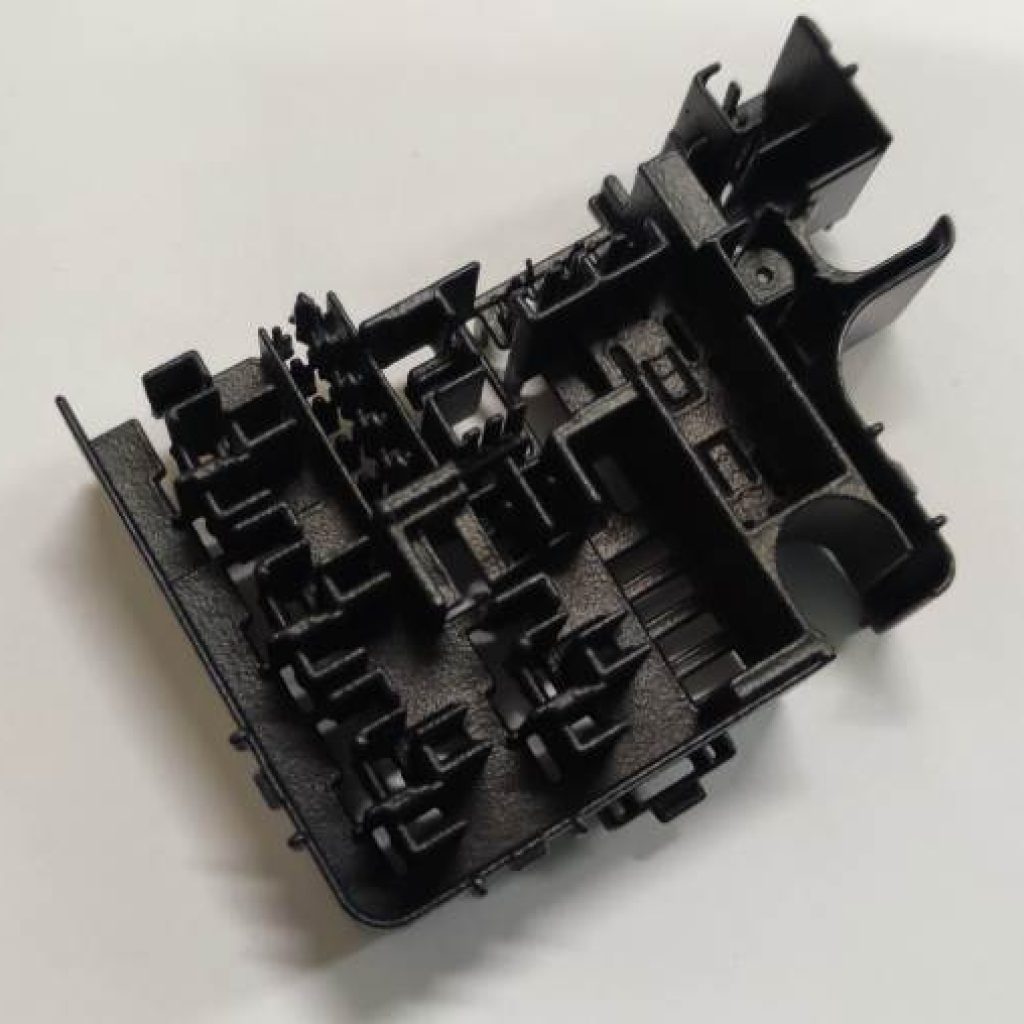
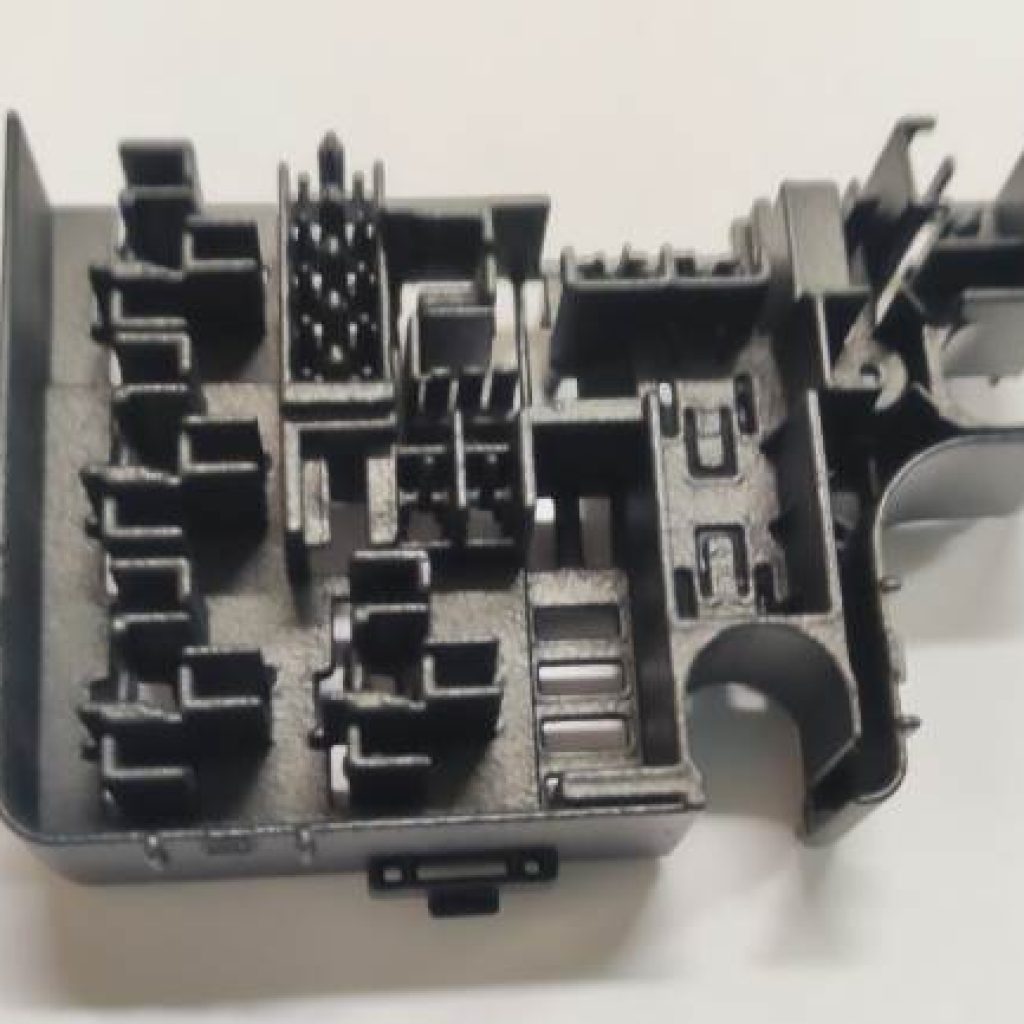
At Materflow, vapour smoothing is not merely a finishing step for individual prototypes, it is a scalable industrial production process. The large 380 × 380 × 580 mm process chamber enables:
- Scalable serial production: Hundreds or even thousands of small components can be processed in a single run. This ensures identical surface quality across the entire production batch without variation caused by manual finishing.
- Large components: The chamber dimensions allow post-processing of even the largest SLS parts, such as integrated equipment housings and complex air ducts, as single-piece components.
- Geometry and tolerance control: The process we use is a “cold” method. Unlike high-temperature vapor processes, it does not critically soften the plastic. This ensures that thin walls and tight tolerances retain their shape even in large components.
Typical Applications
Vapor smoothing is particularly beneficial in applications where cleanliness, durability, or tactile quality are critical:
- Food and chemical industries: Laboratory products and process components requiring excellent cleanability.
- Human-contact components: Handles, control knobs, and haptically demanding user interfaces.
- Visual components: Parts requiring a high-end surface finish (potentially replacing labor-intensive painting).
- Technical enclosures: Pressure-tight or otherwise mechanically demanding protective housings.
“After chemical smoothing, the haptic feel of the part becomes smooth and premium-quality. We tested, for example, a bus seat component featuring a modeled leather texture — the end result both looked and felt remarkably close to a genuine leather-covered component,” Mattila describes.
Design Considerations
Vapor smoothing also has its limitations. During our testing phase, we have observed the following factors:
Although Vapor Smoothing is a technologically advanced and gentle process, there are a few aspects worth considering already during the design phase:
- Dimensional accuracy: The process smooths the surface on a micro level. Average dimensional change is extremely small.
- Fine details: Extremely sharp outer edges may become microscopically rounded as the surface smooths.
Would you like to test the difference in practice? Send us your 3D model or request a quote for chemical smoothing for your next project. Our experts will help evaluate the suitability of the process for your application.
At Materflow, we’re excited about this new investment, which introduces a more eco-friendly and efficient way to finish 3D-printed parts. Follow our blog for updates on test results and application examples!